The shortest useful answer: the symptom tells you where to start, not which part to replace.
What a careful inspection should do
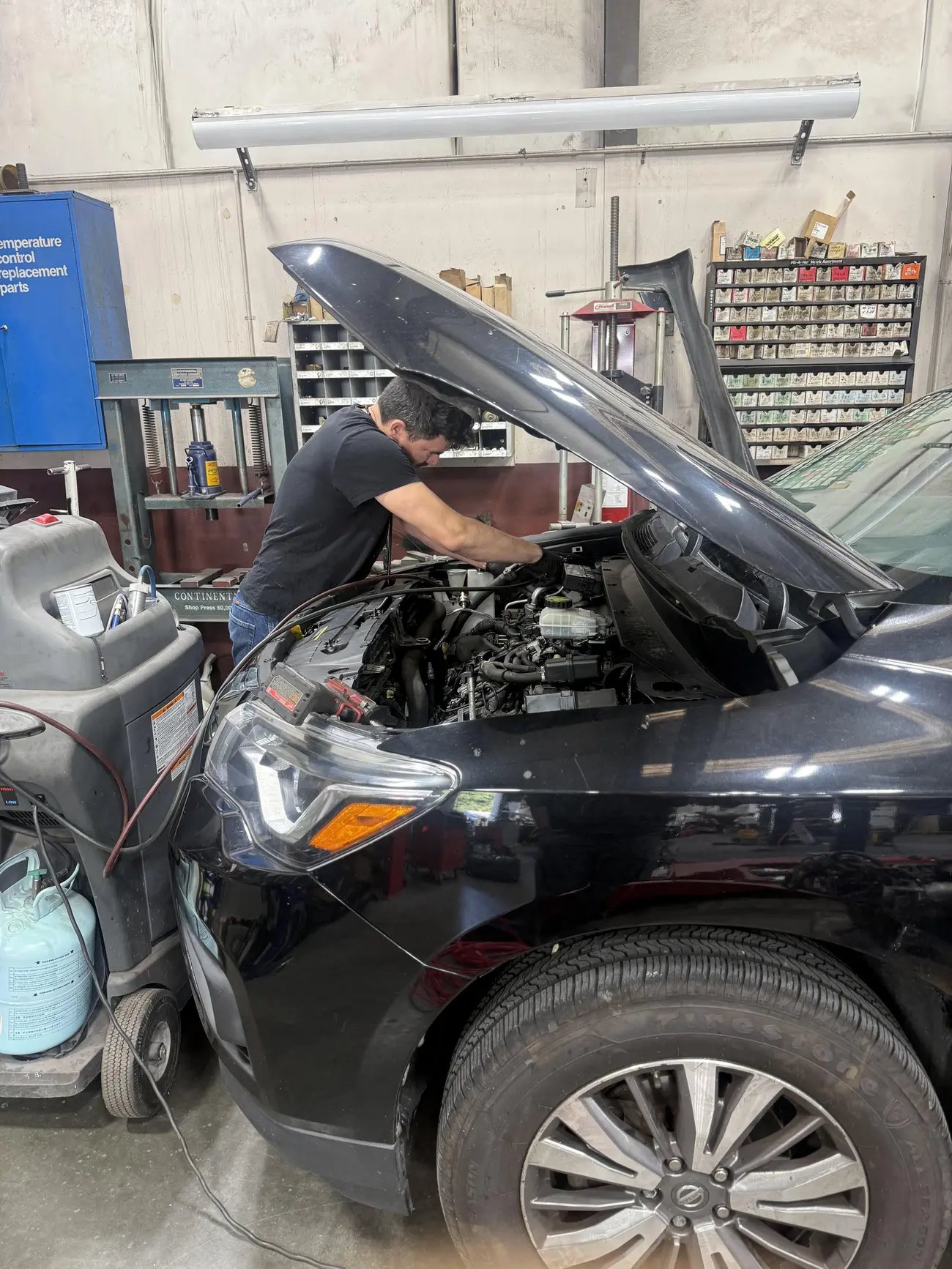
A technician should begin with the customer’s description, confirm the symptom when possible, inspect related systems, and use tests that separate likely causes. Parts should not be recommended only because a symptom is common.
What you can do now
- Note when the symptom happens, how often, and under what conditions.
- Pay attention to warning lights, sounds, smells, leaks, and changes in handling.
- Avoid driving when a safety concern, overheating, severe vibration, fluid loss, or a flashing warning indicates risk.
- Ask to see the findings and understand the priority before authorizing work.
This article provides general education and cannot diagnose a specific vehicle. If you are unsure whether the vehicle is safe to drive, call a shop or towing.
Schedule an inspection