Auto repair service
Cooling System & Radiator
Diagnosis and repair for overheating, coolant leaks, radiators, hoses, thermostats, pumps, and fans.
Capability first
What 7 Auto Care checks—and how we can help
Start with the concern. We inspect the relevant system, document the evidence, explain the options, and perform only the work you approve.
What we check
- Pressure test and visual leak inspection when appropriate
- Radiator, hoses, reservoir, cap, thermostat, water pump, and fan operation
- Coolant condition and signs of combustion leakage or internal engine involvement when indicated
What we can help with
- Cooling-system pressure and leak testing
- Radiator, hose, and reservoir service
- Thermostat and water-pump concerns
- Cooling-fan diagnosis
- Overheating and coolant-loss diagnosis
Common warning signs
What drivers often notice
- Temperature gauge rising or an overheat warning
- Coolant smell, puddle, low level, steam, or repeated topping off
- Heater temperature changes or fans run abnormally
- Discolored fluid, residue, swollen hoses, or cooling-system noise
How this service works
Understand the system before choosing the repair
Coolant absorbs engine heat and carries it to the radiator. The thermostat controls flow, the water pump circulates coolant, hoses connect components, and fans move air when road speed is not enough.
Why it matters
Why timely, accurate service matters
An overheating engine can warp or damage major components quickly. Old or contaminated coolant can lose corrosion protection, but color alone does not identify every problem or service interval.
What service may involve
The repair path depends on what testing shows
The repair might be a hose, radiator, thermostat, pump, fan, reservoir, gasket, sensor, or an internal-engine next step. Coolant type and fill procedure are vehicle-specific.
When to get it looked at
Know when to schedule—and when to stop.
If the engine overheats, turn off the AC, pull over safely, shut the engine down, and do not open a hot cooling system. Arrange towing rather than risking severe damage.
See what we see
Trace coolant loss and temperature-control problems
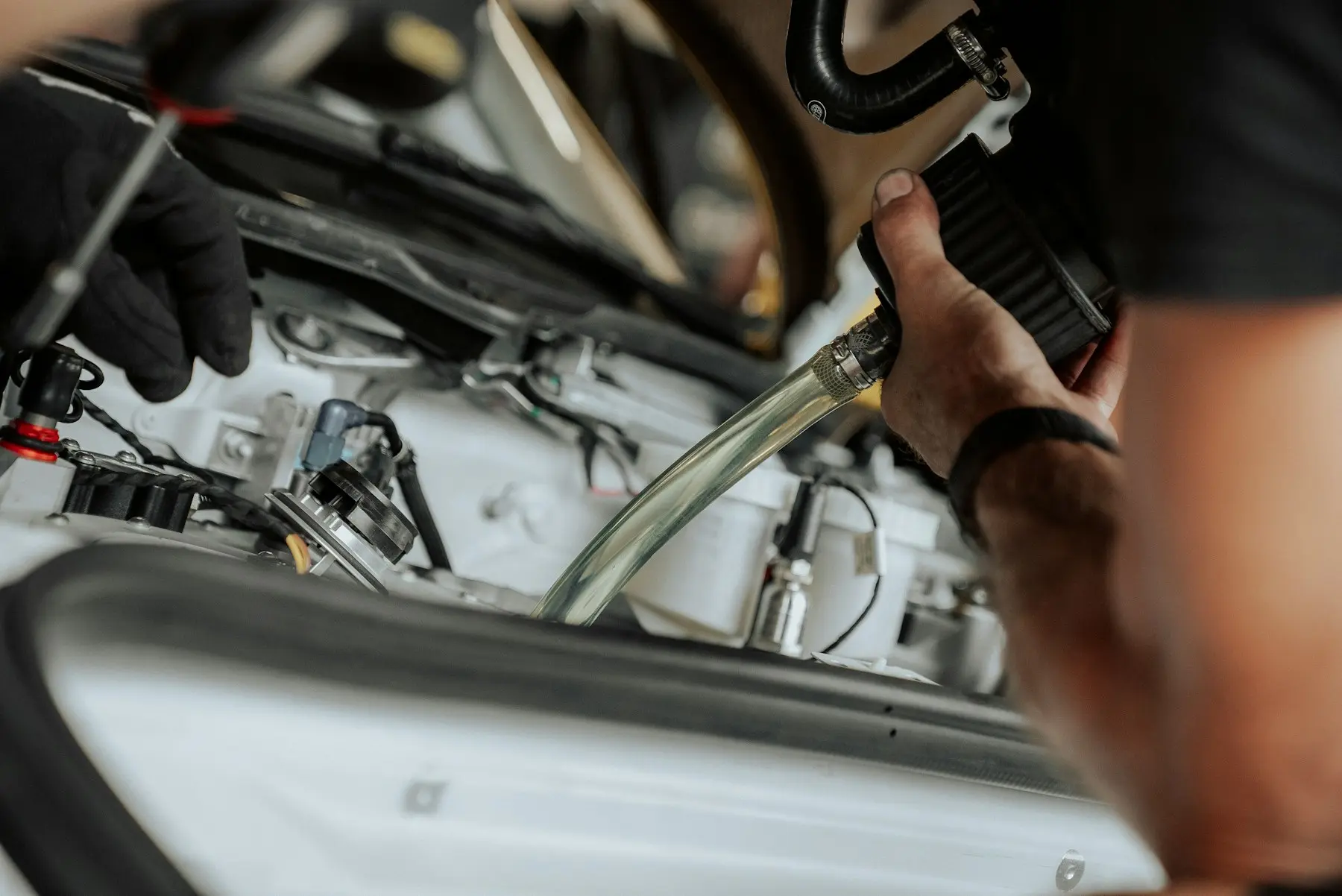
Leak trails, pressure-test evidence, hose condition, and temperature findings can be documented before repair.
A clear next step
Ready to schedule cooling system & radiator?
Choose the 7 Auto Care location that works best for you. Prefer to talk first? Call and describe what the vehicle is doing.